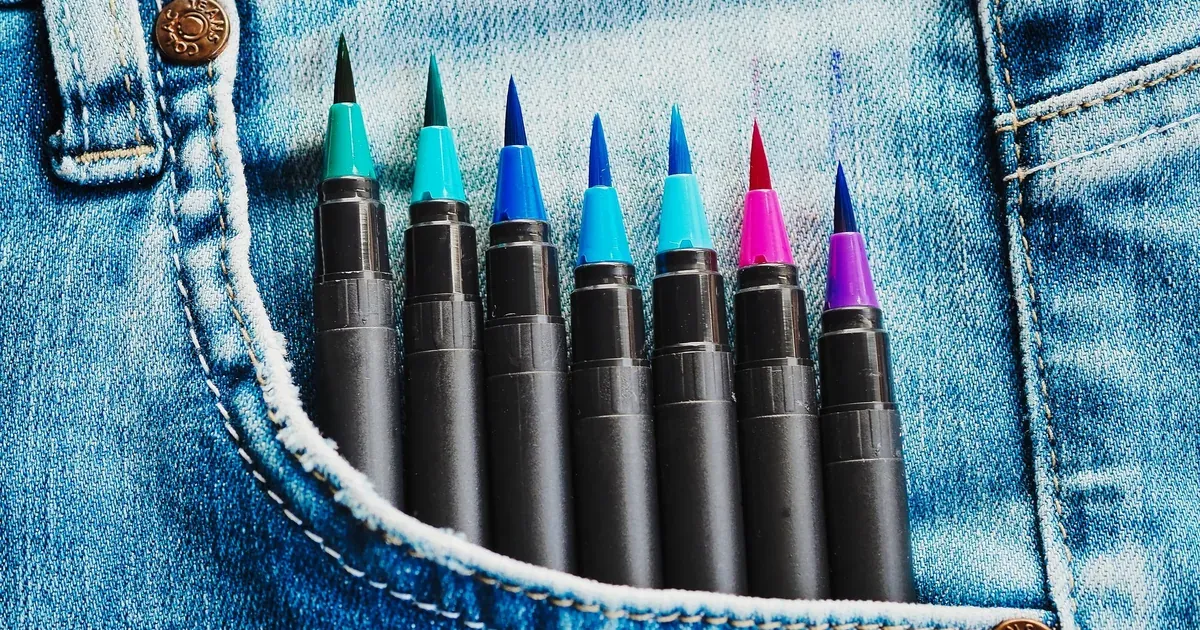
You found permanent marker on the wall five minutes after your kid swore they “were just drawing on paper.” Or you sat down on the couch and realized that dark smudge near the armrest isn’t going anywhere with a quick wipe. Your stomach drops a little. Permanent marker feels like the one stain that means game over for whatever it landed on.
It’s not, though. This guide walks you through removing permanent marker from walls, upholstery, wood, plastic, countertops, skin, and clothing — matched to what you’re actually dealing with, using stuff you probably already have under your sink. Most fixes take 10-20 minutes. A few stubborn spots might take a couple of rounds.
Why Permanent Marker Feels Impossible to Remove (and Why It Isn’t)
Permanent marker ink is alcohol- or solvent-based, which is exactly why regular soap and water bounce right off it. But that same chemistry is the reason it comes back off. Alcohol-based ink responds to other alcohol-based solvents — which is why rubbing alcohol and hand sanitizer show up as the heroes in almost every method below.
The real variable isn’t the marker. It’s the surface. A sealed, glossy surface holds ink on top, where it’s easier to lift. A porous surface — raw wood, wallpaper, unfinished drywall texture, fabric — lets ink soak in, which makes it stickier to remove and easier to spread if you’re rough about it.
Timing matters too. Fresh marker, still slightly wet or only a few hours old, lifts far easier than marker that’s had days to bond and dry completely into the surface. If you just found it, don’t wait until “later this week.” Deal with it today.
What to Gather Before You Start
You probably don’t need to buy anything special. Check what’s already in your cabinets first.
- Rubbing alcohol — the workhorse for almost every surface in this guide
- Hand sanitizer — a gentler backup with the same alcohol base, good for skin and quick jobs
- A magic eraser or melamine sponge — for sealed, hard surfaces like painted walls and laminate
- A dry-erase marker — sounds odd, works surprisingly well on painted walls (more on this below)
- Acetone or acetone-based nail polish remover — reserved for tough cases on plastic or hard surfaces, not fabric or painted walls
- Soft cloths or cotton balls — skip paper towels, since they can shred and push ink around instead of lifting it
Before you touch the visible mark, test your chosen product on a hidden spot — inside a cabinet door, a couch cushion’s underside, a scrap of the same fabric. Wait 60 seconds, wipe, and check for damage or discoloration. That one minute of patience is the difference between a fixed problem and a second problem.
How to Remove Permanent Marker From Walls (Painted & Wallpaper)
Walls are the most common casualty, and thankfully one of the easier fixes — as long as you match the method to your paint finish.
For glossy or semi-gloss paint, wet a magic eraser slightly with water and rub in small circles directly over the mark. The fine abrasive in the sponge breaks down the ink without needing harsh chemicals. Go easy — magic erasers can also dull the sheen of glossy paint if you scrub too aggressively in one spot.
For matte or flat paint, skip the magic eraser — it’s more likely to strip flat paint’s texture. Instead, try the dry-erase marker trick: trace directly over the permanent marker with a dry-erase marker, then immediately wipe with a dry cloth before it dries. The solvents in dry-erase ink loosen the permanent marker underneath and lift both away together. It sounds like a party trick, but it genuinely works on painted drywall.
For wallpaper, don’t scrub at all — wallpaper tears and bubbles easily when wet. Dab (don’t rub) rubbing alcohol onto a cloth and gently press it against the mark repeatedly, lifting ink a little at a time.
If none of this fully clears it, a touch-up paint pen matched to your wall color is a fair backup plan, especially for renters worried about a security deposit.
How to Remove Permanent Marker From Couches and Upholstery
Before you spray anything on your couch, flip the cushion and check the tag for a fabric code: W, S, WS, or X.
- W or WS fabrics tolerate water-based cleaning, so rubbing alcohol on a cloth is safe to try
- S fabrics need solvent-based cleaners only — water can leave rings, so stick to alcohol or a dry-cleaning solvent
- X fabrics mean vacuum-only, dry-clean-only — this is your sign to stop and call a professional
For W or WS fabrics, dampen a cloth (not the fabric itself) with rubbing alcohol and blot starting from the outer edge of the stain, working inward. Blotting from the outside in keeps you from spreading ink into fresh fabric. Re-fold your cloth to a clean section often, since you don’t want to just smear the same ink back onto the couch.
Some stains genuinely aren’t a DIY job — deep-set marker on velvet or an X-code fabric is one of them. That’s not a failure on your part, it’s just outside what home products can safely handle.
How to Remove Permanent Marker From Wood Furniture and Cabinets
Wood is trickier because “wood” isn’t one surface — it’s either sealed with a finish or it’s raw and porous, and that changes everything.
If your furniture or cabinets have a sealed finish (most stained or lacquered wood does), rubbing alcohol or plain hand sanitizer on a soft cloth works well. Wipe with the grain, not against it or in circles, to avoid dulling the finish unevenly.
If the wood is unfinished or unsealed — think raw pine shelving or an unsealed cutting board — solvents will soak in along with the ink and can leave a blotchy spot. Light sanding with fine-grit sandpaper is a last resort here: sand gently in the direction of the grain until the mark fades, then blend the area with the surrounding wood.
Once the mark is gone, a wood polish or conditioner helps restore shine and blend the treated spot so it doesn’t look like a bald patch in an otherwise glossy cabinet front.
How to Remove Permanent Marker From Skin, Plastic Toys, and Countertops
These three show up together because they’re usually the same day’s crisis — marker on the counter, on the toy, and on your kid, all at once.
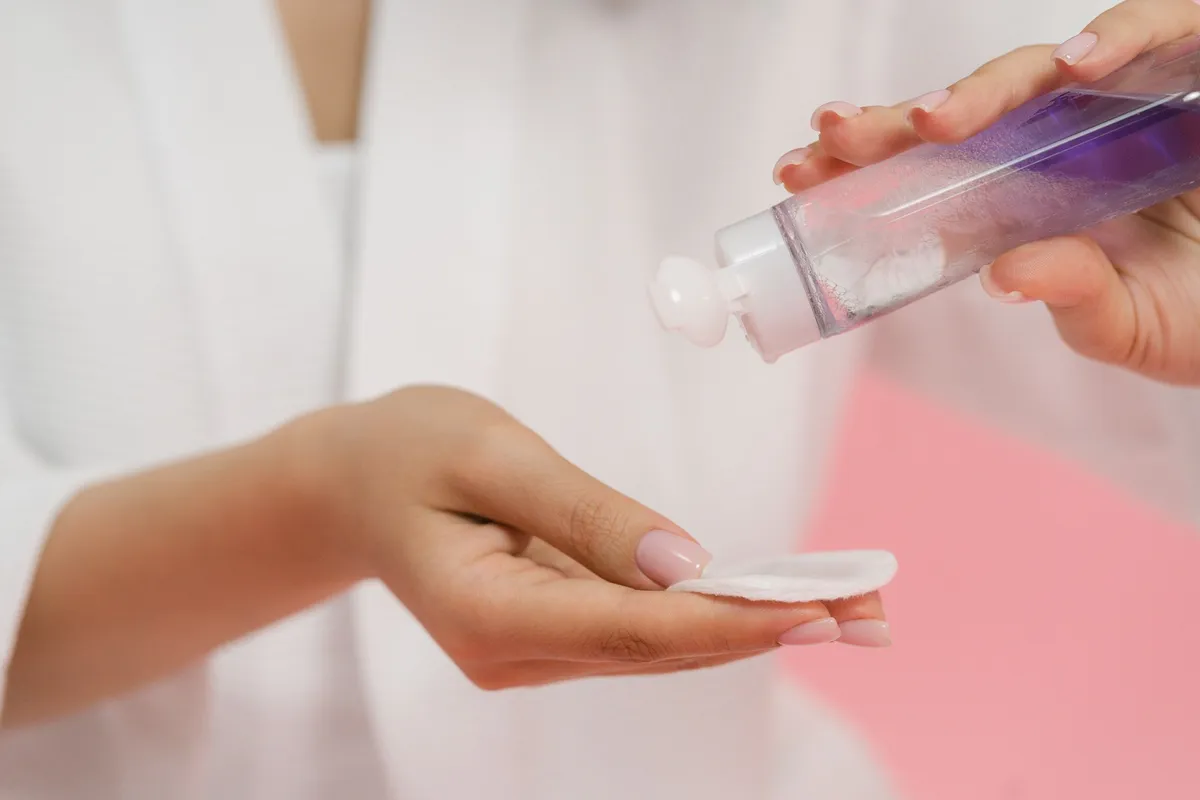
For skin, hand sanitizer or rubbing alcohol on a cotton pad removes marker faster and more gently than scrubbing with soap and water. Rub lightly, then wash with regular soap afterward to remove any leftover alcohol residue.
For plastic toys, acetone-based nail polish remover handles tough, set-in marker that alcohol won’t touch. Test it on a small hidden spot of colored plastic first — acetone can strip color dye right along with the ink, leaving a faded patch that’s arguably worse than the marker was.
For laminate or granite countertops, start gentler than you think you need to. Mix baking soda with a few drops of water into a paste, rub it over the mark with a soft cloth, and let the mild abrasive do the work before reaching for stronger solvents.
- Try baking soda paste first on any hard countertop surface
- Move to rubbing alcohol if the paste doesn’t fully clear it
- Save acetone for genuinely stubborn marks, and never on natural stone without checking it’s sealed
How to Remove Permanent Marker From Clothing and Fabric
Fabric is unforgiving if you go straight at the stain from the front — you’ll just push ink deeper and wider.
Start by sliding a piece of cardboard or a folded towel behind the stained area, between the two fabric layers if it’s a garment. This stops the ink from bleeding through to the other side while you work.
Then flip the garment inside out if you can, and dab rubbing alcohol onto the back of the stain, working from behind so you’re pushing the ink out of the fabric rather than further into it. Blot with a clean section of cloth frequently and reapply alcohol as needed.
Once the stain visibly lightens, launder as usual — but check it before tossing it in the dryer. Heat can permanently set any ink that’s still hanging on, turning a faint shadow into a stain you’re stuck with for good.
Common Mistakes That Make Permanent Marker Worse
A few habits turn a fixable mark into a bigger mess. Watch for these.
- Scrubbing hard right out of the gate — this spreads the ink into a wider, lighter smear instead of lifting it cleanly. Dab and blot first; save scrubbing for surfaces that can handle abrasion, like sealed countertops.
- Reaching for bleach on colored fabric or painted walls — bleach doesn’t target ink specifically, so it often bleaches the surface color right along with (or instead of) the mark.
- Skipping the spot test — this is how people discover, mid-cleanup, that rubbing alcohol strips their particular paint finish or fabric dye. Sixty seconds of testing prevents this every time.
- Using paper towels instead of cloth or cotton — paper towels can shred and leave lint behind, and they don’t hold solvent as evenly as a soft cloth does.
- Going straight for the strongest solvent — acetone might be necessary eventually, but starting there on a delicate surface skips gentler options that might’ve worked fine.
- Waiting too long to start — marker that’s had days to set into a porous surface is genuinely harder to remove than marker you catch same-day.
FAQ
Does rubbing alcohol damage paint or wood finishes?
It can dull or strip some finishes, especially unsealed wood or flat paint, so always test in a hidden spot first. On sealed surfaces it’s generally safe when used briefly and wiped off.
Can toothpaste really remove permanent marker?
Plain white toothpaste has mild abrasives that can help on hard, sealed surfaces like counters or plastic, but it’s less reliable than rubbing alcohol. It’s worth trying only when you don’t have stronger solvents on hand.
How do you get permanent marker off skin fast?
Hand sanitizer or rubbing alcohol on a cotton pad removes it quickest — just rub gently and wash with soap afterward. Baby oil is a gentler alternative for sensitive skin.
Will permanent marker eventually fade on its own?
On some porous surfaces exposed to sunlight, marker can fade slightly over weeks or months, but it won’t fully disappear without treatment. Direct removal is faster and more reliable.
If you’re staring at a fresh mark right now, don’t overthink it — grab rubbing alcohol or hand sanitizer, test a hidden spot for 60 seconds, and start dabbing from the outside in. Most permanent marker comes up in one sitting once you match the method to the surface, and the ones that don’t just need a second round tomorrow. It’s not a lost cause. It’s just a Tuesday.