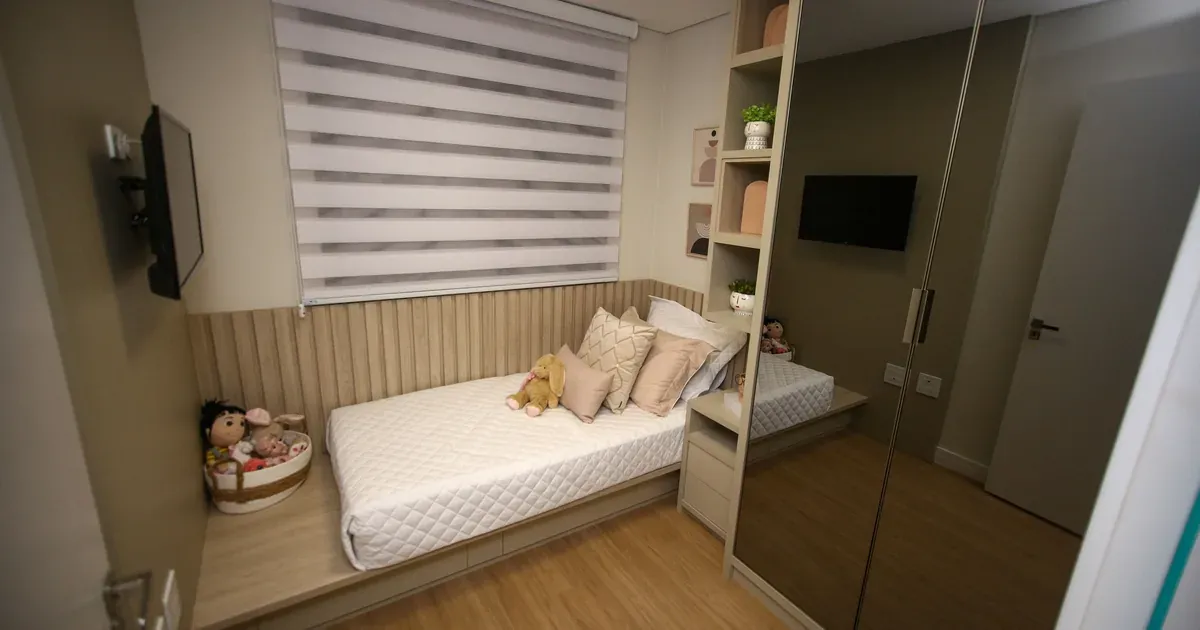
If your bedroom feels like it’s closing in on you, you’re probably not dealing with a square footage problem. You’re dealing with a storage and layout problem — and those are actually fixable.
This list covers 15 practical ideas for small bedrooms: storage solutions, furniture swaps, and a few visual tricks that genuinely make a cramped room feel bigger. Some of these you can do tonight with what you already own. Others are worth planning for on a weekend.
A quick note before you dive in: don’t try to tackle all 15 at once. Skim the list, flag the 2-3 that address your biggest pain points right now, and start there. That’s how this actually gets done.
Why Small Bedrooms Feel So Overwhelming (And How to Fix It)
Most small bedroom problems come down to two things: not enough storage, and storage that’s in the wrong places.
When there’s nowhere for things to go, they end up on the floor, on the dresser, on the chair — everywhere. The room doesn’t feel small because it is small. It feels small because every surface is working twice as hard as it should.
The shift that changes everything: think vertically, not just horizontally. Most people use the floor and maybe one shelf. But your walls go all the way up, and so does your storage potential.
Before you buy anything or move a single piece of furniture, do a quick audit. Ask yourself: what are my two biggest pain points in this bedroom right now? Is it the overflowing closet? The nightstand pile? The lack of floor space? Naming them first keeps you from buying a bunch of organizers that solve the wrong problem.
This list covers storage ideas, multi-functional furniture, closet fixes, and visual tricks — roughly in order of impact.
1. Use Under-Bed Storage to Reclaim Hidden Space
Under the bed is the most underused storage zone in most small bedrooms. That space is already there — you’re just not using it yet.
Flat rolling bins are ideal for seasonal clothing, extra bedding, and shoes you don’t reach for every day. If you have a low-clearance bed frame, bed risers can add 4 to 6 inches of extra height — enough room for standard under-bed containers. They’re inexpensive and widely available at Target, Walmart, and Amazon.
The key to making under-bed storage look intentional (and not like a dust bunny sanctuary): use matching bins or zippered fabric storage bags instead of random boxes. When everything is uniform, it stays organized longer and the occasional peek underneath doesn’t make you cringe.
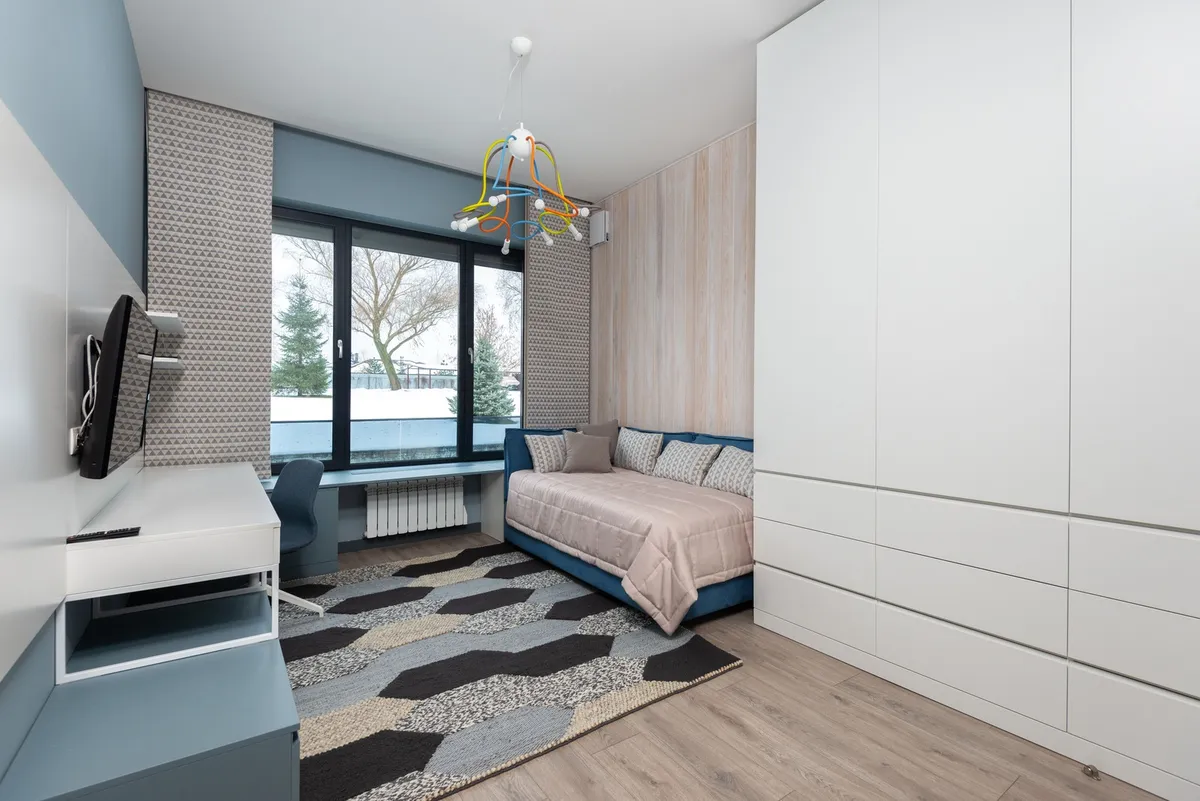
For clothes you only wear seasonally, vacuum-seal bags compress bulky items like sweaters and coats down to a fraction of their size — a smart solution if you’re storing in a shallower frame with less clearance. See Under-Bed Storage Ideas for Small Apartments for more specific product types by bed height.
2. Swap a Bulky Dresser for a Slim Chest of Drawers
Wide dressers are notorious floor-space eaters. A full-width six-drawer dresser might hold the same volume as a tall, narrow chest — but it takes up twice the footprint.
Look for chests in the 18 to 20-inch depth range. That’s shallow enough to tuck against a wall without blocking the natural traffic flow through the room. You can walk past it without turning sideways, which sounds basic but makes a real difference in how livable the space feels.
Once you have a slimmer chest, add drawer organizers or dividers inside. Without them, a small drawer turns into a jumbled mess fast, and you lose half the space to digging. This is a great option for renters who can’t install built-ins — the furniture does the work without touching a wall.
3. Mount a Floating Nightstand Instead of a Traditional Bedside Table
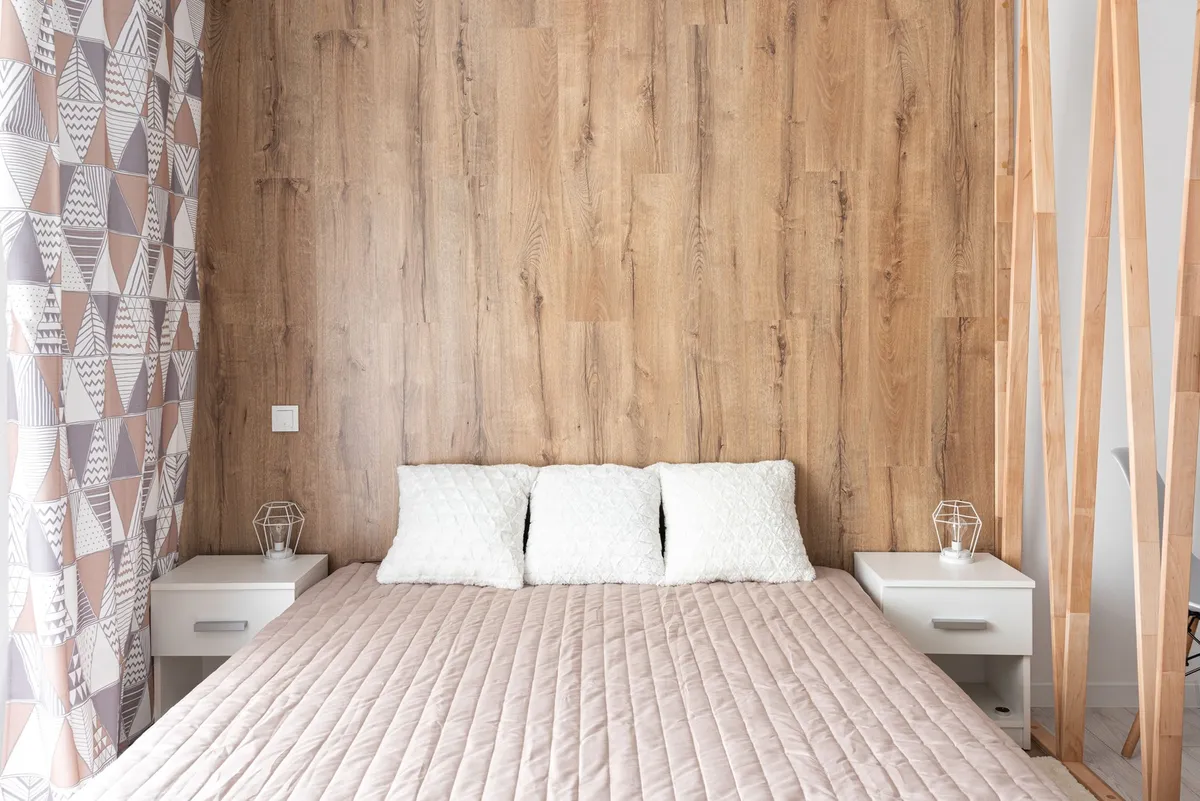
A standard bedside table sits on the floor and takes up real estate you don’t have. A floating shelf mounted to the wall does everything a nightstand does — holds a lamp, your phone charger, a book, a glass of water — without touching the floor at all.
The visual effect is significant. Clear floor = room feels bigger. It’s not an illusion so much as your eye reading the space differently.
Renter tip: Heavy-duty Command strips rated for 15 to 20 pounds work as a no-drill alternative for lightweight shelves. They hold a lamp and a few small items without a problem, and they remove cleanly when you move out. For anything heavier, you’ll want actual wall anchors — but for most floating nightstand setups, the Command route is genuinely viable.
4. Add a Headboard With Built-In Storage
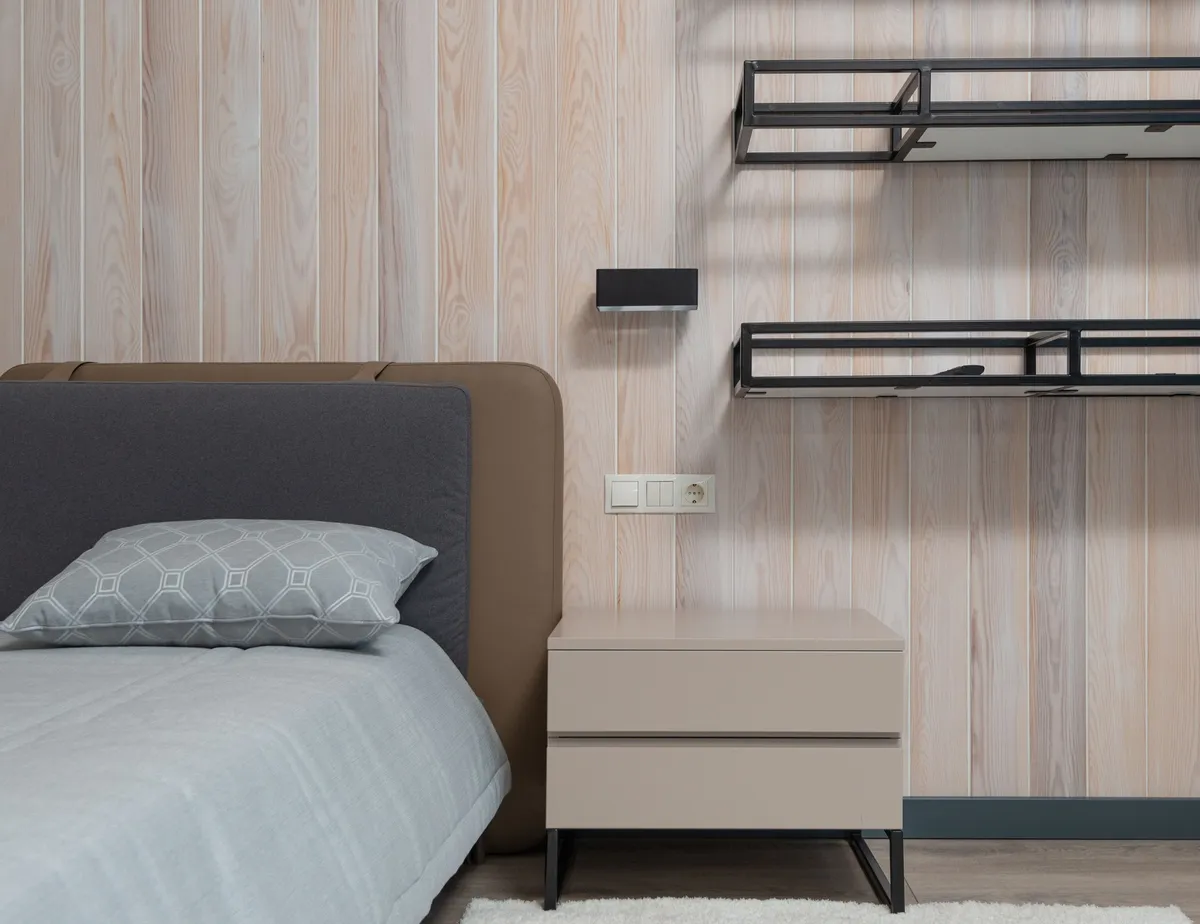
A storage headboard pulls double duty: it gives you a place to lean back and replaces the nightstand entirely. Look for styles with shelves, cubbies, or closed compartments — closed storage especially, so the visual clutter stays hidden.
This works particularly well in studio apartments where the bedroom is also visible from the living area. A headboard with clean-front closed storage looks intentional and tidy, even when the inside is a little chaotic.
If a full storage headboard isn’t in the budget right now, here’s the low-cost version: install a simple shelf on the wall at headboard height, just above where a headboard would sit. It creates the same functional storage without the furniture price tag.
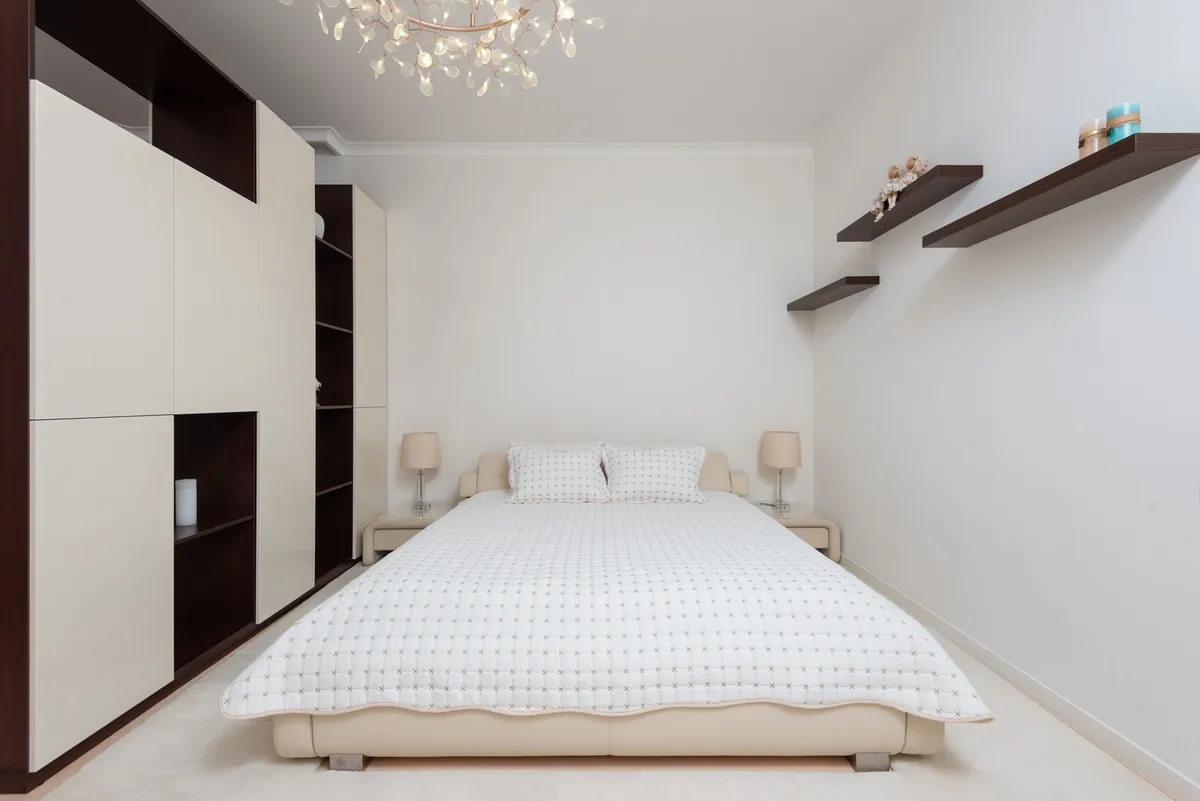
5. Install Vertical Shelving on Every Blank Wall
This is the idea most people skip because it takes a little planning — and it’s one of the highest-impact changes you can make.
Going floor-to-ceiling with shelves means you’re using air space instead of floor space. You’re not adding more stuff to the room; you’re just storing it up instead of out.
Dedicate the shelves with intention: one section for books and a few decorative items, another for folded clothes in baskets or bins. Keep the highest shelves for seasonal and rarely-used items — holiday decorations, extra blankets, things you touch twice a year. That keeps the easy-reach zones clean and functional.
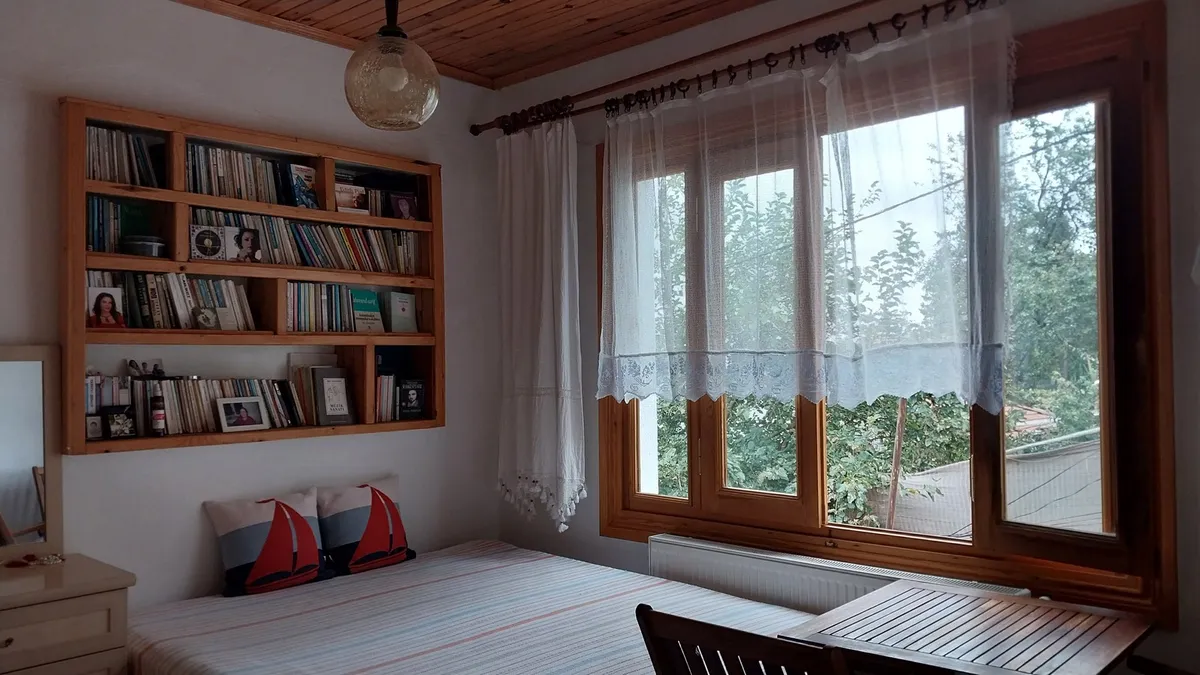
Floating wall shelves are the easiest no-carpentry option and come in sets that go up in under an hour. For renters, look for no-stud mounting options or heavier-duty Command products rated for shelf use. This pairs well with the ideas in 10 Small Closet Organization Ideas That Double Your Space — more wall storage means less pressure on the closet.
6. Use the Back of the Door as a Storage Wall
The back of your bedroom door — and the back of your closet door — is prime real estate you’re almost certainly not using.
Over-door organizers with pockets hold more than you’d expect. The obvious use is shoes, but a pocket organizer is honestly better for hair tools, belts, small accessories, chargers, and anything else that tends to disappear into a drawer. You can see everything at a glance without digging.
Add over-door hooks for robes, tomorrow’s outfit, bags, and hats. This alone keeps a significant amount of stuff off the floor and off the back of your desk chair (you know the one).
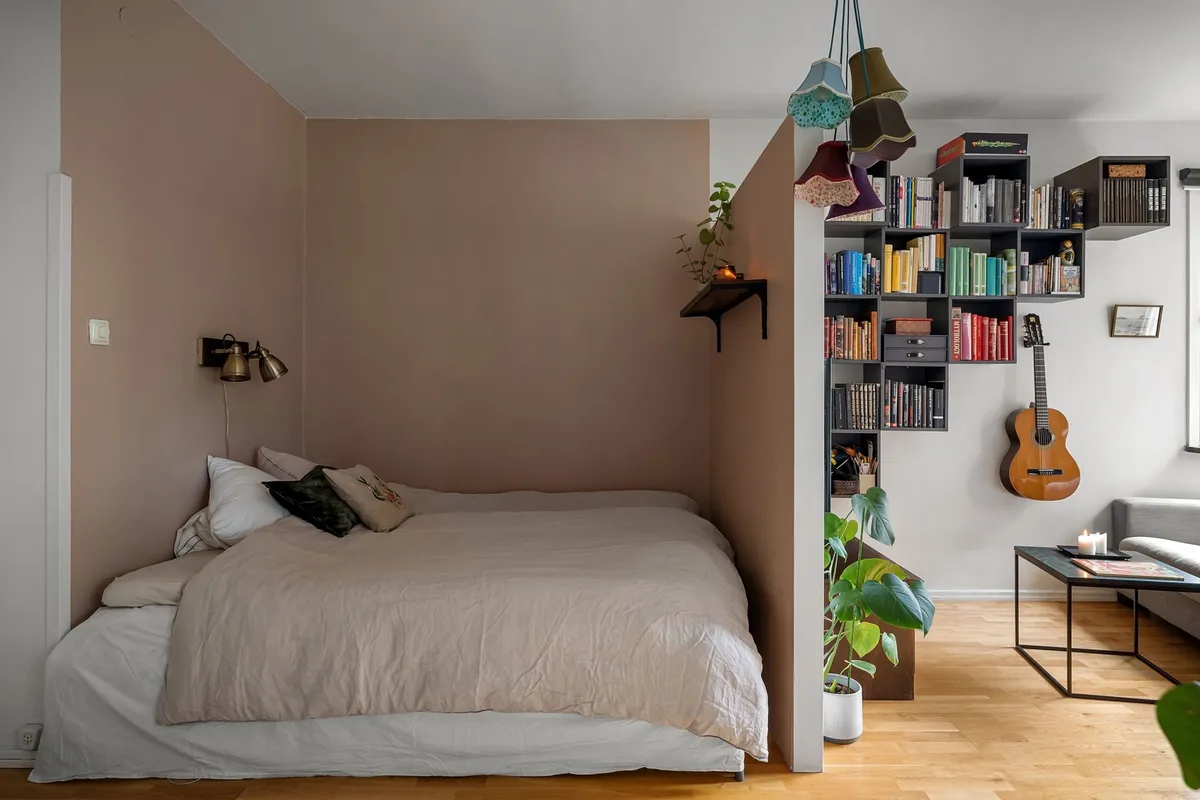
Works on both the bedroom door and the closet door. Two doors = a lot of hidden storage potential.
7. Try a Bed With Built-In Drawers
If you’re in a very small bedroom and you own a standard bed frame with no storage underneath, swapping to a platform bed with built-in drawers might be the single highest-impact furniture change you can make.
Two to four deep drawers can hold an entire wardrobe worth of folded clothes — sweaters, jeans, workout gear, pajamas. That can eliminate the need for a separate dresser entirely, which frees up a meaningful amount of floor space.
This one’s best for permanent setups. If you move frequently, a storage bed is a heavier lift to relocate. But for anyone who’s settled in a place for a year or more, it’s worth considering.
One caveat: add drawer dividers inside, or those deep drawers turn into the same mess as under-bed storage without the bins. The dividers keep things findable.
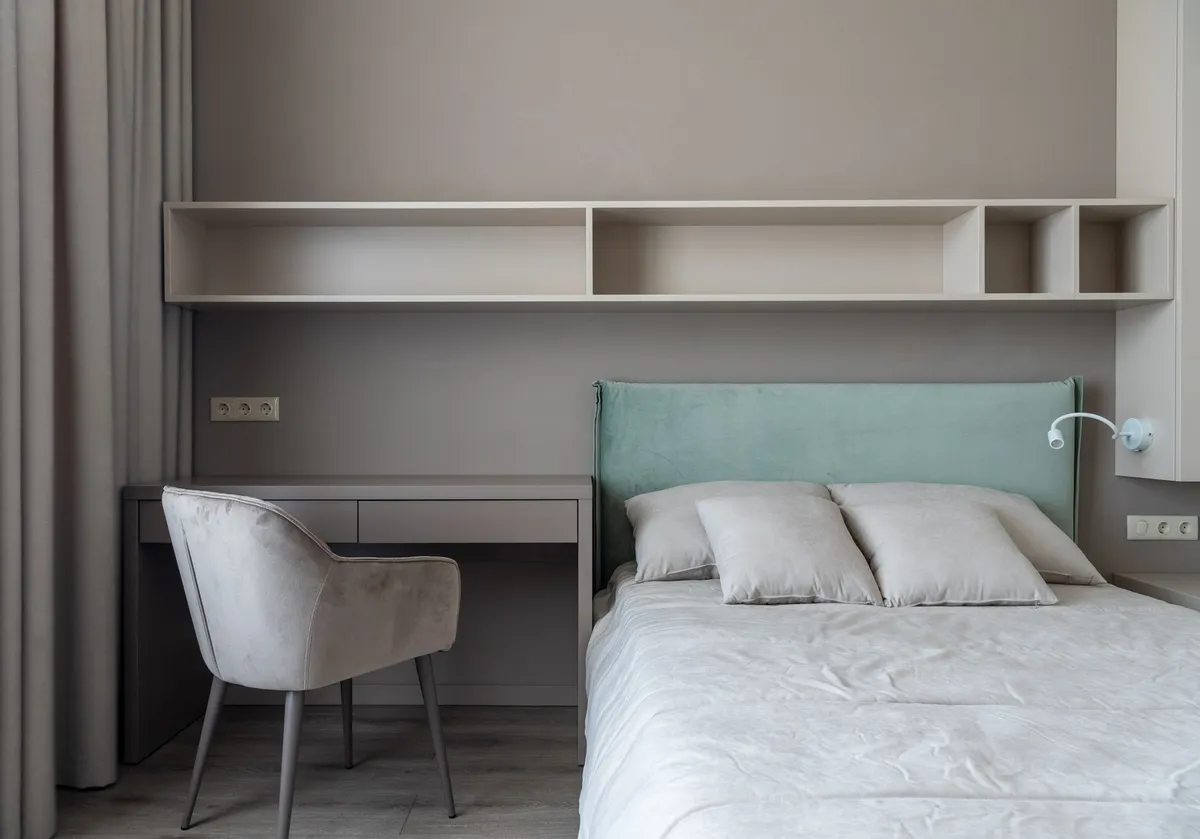
8. Declutter Your Closet Before Buying a Single Organizer
If you’re skimming, slow down for this one — it’s the most underrated item on the list.
Closet overflow is the number one reason small bedrooms feel cramped. When the closet is stuffed beyond capacity, things migrate out onto chairs, floors, and every flat surface. No organizer in the world fixes a closet that simply contains too much.
Before you spend a dollar on bins or rods, do this:
- Pull everything out of the closet completely
- Sort ruthlessly into three piles: keep, donate, toss
- Only put back what you actually wear and use
- Aim to fill just 80% of the capacity — that 20% breathing room is what keeps it from becoming chaos again
Once you’ve decluttered, simple rod doublers (they hang from your existing rod and add a second level) and shelf dividers go a long way without spending much. Slim velvet hangers instead of bulky plastic ones can recover a surprising amount of rod space — often enough to fit significantly more in the same closet. For more ideas after the declutter, see How to Declutter Your Bedroom in One Weekend.
9. Choose Furniture That Does Double Duty
In a small bedroom, every piece of furniture should serve at least two purposes. If it only takes up space and looks nice, it’s not earning its square footage.
The easiest double-duty swap: a storage ottoman or blanket chest at the foot of the bed. It replaces a bench (which offers nothing), gives you extra seating, and hides extra bedding, off-season clothes, or anything you want out of sight. A small trunk works the same way.
Other double-duty picks:
- A fold-flat wall desk that closes when not in use
- A storage bench with hidden compartments under the seat
- A nightstand with actual drawers, not just a top surface
Avoid furniture that looks great in a catalog but offers no storage function. In a small room, decorative-only pieces are a luxury you may not be able to afford in square footage.
10. Create a Capsule Wardrobe Mindset for Your Closet
There’s no way to fully organize your way around this one: a small bedroom needs a smaller wardrobe. Not a sad, bare-bones wardrobe — just one that actually fits in the space you have.
The goal is to keep only what fits comfortably in your closet without stuffing, shoving, or jamming. If you have to fight with the closet every morning, it’s a signal that something needs to leave.
For seasonal pieces, rotate them. Store off-season clothes in under-bed bins or vacuum-seal bags in a hall closet or upper shelf. Swap twice a year — spring/summer and fall/winter. This is one of the simplest ways to keep a small closet manageable year-round.
Fewer clothes also has a practical side effect most people don’t think about: it’s faster and easier to find what you want to wear. Less morning chaos, calmer start to the day, and the bedroom stays tidier longer because you’re not pulling out three options every time.
11. Use Mirrors Strategically to Make the Room Feel Larger
Yes, the mirror trick is a cliché. It’s a cliché because it works.
A large mirror reflects light and adds visual depth that your eye reads as space. Place a full-length mirror across from a window and it essentially doubles the natural light in the room. It doesn’t take up floor space if you lean it against the wall — no drilling required, which makes it a strong renter-friendly option.
Mirrored closet doors are the highest-impact version of this: they serve as functional closet doors and make the room feel significantly larger. Peel-and-stick mirrored panels exist now as a renter-friendly version if your closet has standard bi-fold doors.
12. Control Cords and Chargers to Reduce Visual Clutter
Here’s a fast one: tangled cords on your nightstand and bedroom floor make even a tidy room look messy. It’s a low-effort fix with a surprisingly large visual payoff.
A bedside charging station keeps all your devices in one organized spot. Velcro cable ties bundle cords behind furniture for almost nothing — they’re reusable and adjust easily when you move things around. Cable management clips stick to the back of furniture or along baseboards to route cords out of sight.
Hiding your cords is one of the fastest ways to make a bedroom feel cleaner without actually cleaning anything. If you’ve never done it, start here — 20 minutes, big difference.
13. Keep Surfaces Clear With a ‘One In, One Out’ Rule
Flat surfaces are clutter magnets. The dresser top, the nightstand, the windowsill — they all attract stuff at a speed that defies explanation.
The fix is part physical, part mental. Physically: allow only intentional items on any surface. A lamp. One book. Maybe one small decorative item. That’s it. Every other item that lands on a surface needs an actual home — a drawer, a bin, a hook.
The mental part: adopt a one in, one out rule. Before anything new enters the bedroom — a purchase, a library book, a gift — something else leaves. It sounds strict but it keeps the slow creep of clutter from happening in the first place.
This works best when paired with idea #14 — because things pile on surfaces when there’s nowhere else to put them quickly.
14. Add Hooks Everywhere — Walls, Doors, and Closet Sides
Hooks are the most underrated small bedroom tool. They’re inexpensive, they go up in minutes, and they eliminate the floor-pile problem for the things you use most.
For renters: Command hooks in metal finishes look intentional, not temporary, and they remove cleanly without damaging walls. Larger Command hooks hold robes, bags, and heavier items without a problem.
Here’s how to hook strategically:
- Inside the closet on the side wall: belts, bags, and accessories that clutter drawer space
- Back of the bedroom door: tomorrow’s outfit, a robe, hats
- Beside the dresser: purse, work bag, gym bag — whatever you grab daily
- Near the door to the room: a small rail or row of hooks for anything you need on the way out
This removes the “floor chair” problem (you know — the chair that exists purely to hold clothes). When there are hooks, things actually get hung up.
15. Light It Right to Open Up the Space Visually
Overhead lighting alone makes small rooms feel boxy. A single light source from above casts shadows in every corner, which visually compresses the space.
The fix is layered lighting. Add a warm bedside lamp or a plug-in wall sconce (no wiring required) to bring light down to eye level where it feels cozy instead of clinical. Add a small lamp in a dark corner — it literally expands the perceived size of the room by eliminating the shadow that was making it look smaller.
On windows: heavy blackout curtains block light and make small rooms feel darker and smaller. If you can, swap for sheer panels or a cordless roller shade. You’ll keep privacy, let in natural light, and the room will immediately feel more open.
Lighting is the most overlooked item on this whole list. It’s not about buying expensive fixtures — a single affordable lamp can genuinely change how a room feels.
Where to Start When Your Small Bedroom Feels Impossible
Don’t try to do all 15 of these at once. Pick your two biggest problems and start there.
Quick wins (under 30 minutes, little to no cost):
- Add Command hooks to the back of your door and beside your dresser
- Clear one flat surface completely and commit to keeping it clear
- Install an over-door organizer on your closet door
- Bundle and hide your nightstand cords
Weekend projects (1-3 hours, moderate effort):
- Pull out under-bed bins and sort what goes in them
- Install a set of floating shelves on a blank wall
- Do the full closet declutter — pull everything out, sort, put back only what stays
Bigger investments to plan for:
- Swapping to a slim chest of drawers or a storage platform bed
- Installing a storage headboard
- Replacing heavy curtains with lighter window treatments
These are worth doing after the free and low-cost fixes are in place. You’ll have a better sense of what you actually need once the clutter is under control.
Revisit your system every 3 months — as seasons change and life shifts, what worked in January might need a tweak by April. A quick 20-minute check-in keeps the whole thing from drifting back to chaos.
FAQ
What is the best furniture for a very small bedroom?
Multi-functional furniture earns its place in a small bedroomfaster than anything decorative-only ever will. Look for a platform bed with built-in drawers, a storage ottoman at the foot of the bed, and a slim chest of drawers instead of a wide dresser. Every piece should offer storage in addition to its main function — if it doesn’t, it’s probably not worth the floor space in a small room.
How do I organize a small bedroom with too much stuff?
Start by decluttering before you buy a single organizer — you genuinely cannot organize your way out of owning too much. Once you’ve pared down, use under-bed bins, over-door organizers, and vertical shelving to give everything that remains a specific home. The goal isn’t a bare room; it’s a place for everything and everything in its place.
How can renters organize a small bedroom without drilling holes?
Command strips and Command hooks are a renter’s best friend — they hold real weight (up to 15-20 lbs depending on the size) and remove cleanly without damaging paint or drywall. Leaning mirrors, freestanding shelving units, over-door organizers, and bed risers all require zero drilling too. Between those five tools, you can transform a small bedroom without ever touching a wall with a drill.
Do small bedrooms need light-colored walls to feel bigger?
Light walls help reflect more light around a room, which can make it feel more open, but it’s not a hard rule. A dark accent wall paired with good layered lighting, a large mirror, and decluttered surfaces can still feel spacious. Color matters less than you’d think once storage and clutter are actually under control.
How much should I spend to fix up a small bedroom?
You can make a real dent for under $50 using hooks, an over-door organizer, under-bed bins, and a lamp for better lighting. The bigger investments — a storage bed, a slim dresser, a storage headboard — are worth planning for later, once the cheap fixes prove which problems still need solving. Start small, see what changes, then decide where the bigger budget actually needs to go.