
Your detergent is doing maybe 80% of the work. The other 20%? A lot of people are just leaving it on the table — or spending money on commercial boosters that do the same thing baking soda does for a fraction of the cost.
Baking soda is one of those pantry staples that genuinely earns its place in the laundry room. Fresher gym clothes, fluffier towels, brighter whites — all real results, all achievable with the right method. And that last part matters, because there are a few ways to use it wrong that will either waste your effort or leave white streaks on your favorite dark jeans.
This guide covers exactly how to use baking soda in your laundry: specific amounts, specific timing, and specific methods depending on what you’re trying to fix. Give yourself about 10 minutes to read through it, and you’ll have everything you need to try it today.
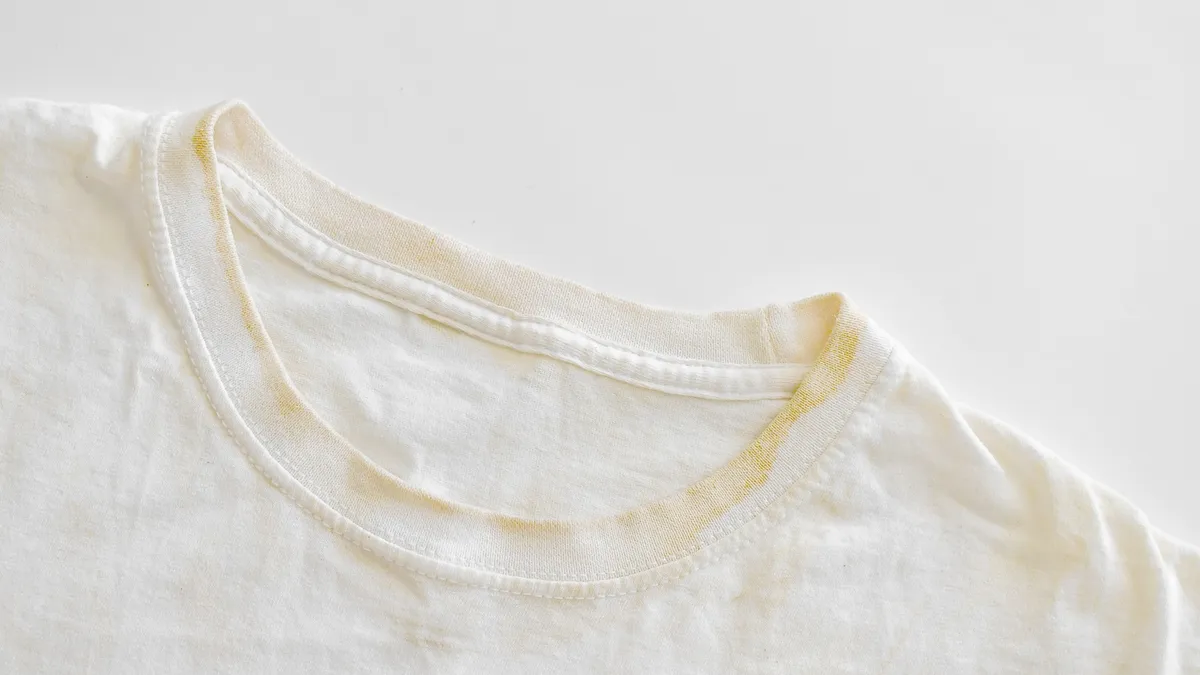
Why Add Baking Soda to Your Laundry at All?
Baking soda is a mild alkali, which means it slightly raises the pH of your wash water. That matters because most tap water is slightly acidic — and detergents work best in a more alkaline environment. When you add baking soda, your detergent becomes more effective without you using more of it.
It also neutralizes odors chemically, rather than masking them the way fragranced products do. Gym clothes, musty towels, pet bedding — the reason these items keep smelling even after washing is that the odor-causing compounds bond to fabric fibers. Baking soda helps break that bond at the molecular level. That’s different from spraying something floral-scented on top of the problem.
It’s also septic-safe, works in all water temperatures, and costs pennies per load. Commercial laundry boosters are often doing the same basic job with a few added enzymes — and a much bigger price tag.
One thing to be honest about: baking soda is a booster, not a miracle. It won’t disinfect your laundry. It won’t remove a set-in grease stain on its own. And it’s not a replacement for real detergent. Think of it as making everything your detergent already does work a little better.
What You’ll Need Before You Start
Keep this simple. You don’t need a lot of extra supplies — just a few things to do it right.
The essentials:
-
Plain baking soda — specifically sodium bicarbonate. Not baking powder. Baking powder contains cream of tartar and other additives that have no business in your laundry and could leave residue. The box will say “baking soda” or “pure sodium bicarbonate.” Arm & Hammer is the most common brand; store brands work just as well. Buy in bulk bags if you plan to use it regularly — it’s significantly more economical than the small orange box.
-
Your regular laundry detergent — baking soda works with your detergent, not instead of it. Keep using whatever you’re already using.
-
A measuring cup or dedicated laundry scoop — dosing matters here. Half a cup is the sweet spot for most loads. Eyeballing it is fine once you know what ½ cup looks like, but start with a measuring cup until you’ve done it a few times.
Optional extras worth having:
-
White vinegar — useful in the rinse cycle for extra softening (more on this in the fabric softener section, including why you can’t combine it with baking soda in the same step)
-
Hydrogen peroxide — pairs with baking soda for a whitening pre-treatment on white fabrics
-
Oxygen bleach powder — for tough stains alongside baking soda, if you want extra stain-fighting power without chlorine bleach
If you have an HE (high-efficiency) machine: baking soda produces no suds, so it’s completely safe. The one rule: always add it directly to the drum, never in the detergent or softener dispenser drawer. It can clump in the drawer and block the dispenser over time.
How to Use Baking Soda for Everyday Laundry Loads
This is the baseline method — the one you’ll use for regular weekly laundry to get cleaner, fresher-smelling results without changing anything else about your routine.
Here’s the process:
-
Before loading clothes, add ½ cup of baking soda directly to the empty drum. Place it on the bottom or sides of the drum before anything goes in. This gets it into the wash water as early as possible so it starts working when the water fills.
-
Add your regular detergent to the detergent dispenser — same amount as always. Don’t change your detergent dosage just because you’re adding baking soda. You’re boosting, not replacing.
-
Load your clothes on top. Nothing special here.
-
Run your normal wash cycle at whatever temperature you’d use anyway. No other changes needed.
Why does the drum placement matter? When baking soda sits in the dispenser drawer, it can mix with water too early, before the drum fills, and get flushed out before it has a chance to do anything useful. In the drum, it dissolves into the full wash load and stays active throughout the cycle.
What to expect from regular use: whites look brighter and less dingy after a few washes, colors stay more vivid longer, and there’s a cleaner smell right out of the washer — not a soapy or perfumed smell, just clean. Fabrics may also feel slightly softer, especially if your water is hard.
Tackling Stubborn Odors: Gym Clothes, Towels, and More
If regular washing isn’t fully cutting the smell on certain items, the problem is usually that odor-causing bacteria and compounds have built up in the fabric fibers over time. A standard wash cycle doesn’t always penetrate deeply enough to clear that out. A baking soda pre-soak does.
Basic pre-soak method:
- Fill a sink, basin, or tub with warm water.
- Dissolve 1 cup of baking soda into the water and stir until it’s fully dissolved.
- Submerge the smelly items and let them soak for 1 to 2 hours.
- Wring them out and wash as normal — baking soda in the drum, detergent in the drawer.
For gym clothes and activewear specifically: turn everything inside out before soaking. The inner surface is where sweat and bacteria accumulate most, and flipping it out exposes that side directly to the baking soda solution. Wash on cold after soaking — hot water can break down elastic and set synthetic-fabric odors rather than releasing them.
For musty towels: this one gets its own two-cycle method because towel mustiness is usually mildew buildup, not just surface odor.
- Run a hot wash with ½ cup baking soda and no detergent. This loosens and lifts the mildew.
- Immediately run a second wash with your regular detergent (and optionally ½ cup white vinegar in the rinse).
- Dry completely — in the dryer or outside in full sun — before folding and storing.
This two-cycle approach works because detergent can actually trap mildew residue against fibers if you use it in the first cycle. Breaking it down first, then cleaning, gets you much better results.
The same pre-soak method works well for kids’ sports gear and pet bedding. Just keep one caution in mind: don’t soak delicates, wool, or silk in baking soda solution. It’s too alkaline for protein-based fibers and can cause damage over time.
Whitening Dingy Whites Without Harsh Bleach
Chlorine bleach works, but it’s also rough on fabric fibers over time, can cause yellowing if used too often, and isn’t great to breathe in. Baking soda gives you a gentler path to brighter whites — just with realistic expectations.
For a full load of whites, the process is the same as the everyday method: ½ cup baking soda in the drum, regular detergent in the drawer, run on the hottest temperature that’s safe for the fabric type. Cotton and linen can handle hot water. Polyester blends should stay on warm.
For dingy individual items that need extra attention, make a pre-treatment paste:
- Mix ½ cup baking soda with ½ cup hydrogen peroxide to form a paste.
- Apply it directly to the fabric and let it sit for 30 minutes before washing.
- Wash as normal. Don’t skip rinsing the paste out before it goes in the machine.
This combination works because hydrogen peroxide is a mild oxidizing agent — it lifts staining compounds out of fibers — and the baking soda boosts the effectiveness while helping to neutralize residue.
One more trick that costs nothing: dry whites in direct sunlight after a baking soda wash. Sunlight has a natural bleaching effect on white fabric that amplifies what the baking soda started. This works particularly well on cotton.
Honest caveat: baking soda brightens whites that have gone dull from detergent buildup and minor discoloration. It prevents yellowing over time. It will not restore severely yellowed vintage whites or linen that’s been stored badly for years — for that, you’d need an enzyme-based oxygen bleach treatment.
Safe for: cotton, linen, polyester blends, most everyday whites. Avoid on silk, wool, or anything labeled dry clean only.
Using Baking Soda as a Natural Fabric Softener
Fabric softeners and dryer sheets work by coating fibers with a waxy film. That film makes fabric feel slippery-soft right away — but over time it reduces absorbency, especially in towels, and builds up in ways that trap odors. Baking soda takes a different approach.
Instead of coating fibers, baking soda neutralizes detergent residue. That residue is what actually makes fabric feel stiff and scratchy — it’s not the fabric itself, it’s the soap left behind. When the residue is gone, the fabric relaxes back to its natural texture.
To use it as a softener: add ½ cup of baking soda at the start of the rinse cycle. If your machine has a fabric softener compartment, you can put it there (it’ll dispense at the right time). If you’re doing this manually in a top-loader, just add it when the rinse cycle begins.
This is especially noticeable with towels. Towels washed regularly with baking soda tend to stay fluffy and absorbent longer than those treated with liquid softener, because their fibers aren’t coated and matted down.
Now, the timing issue that trips a lot of people up: do not add baking soda and white vinegar at the same step. They’re both popular natural laundry additions, but they’re acids and alkalis — they neutralize each other on contact and you get neither benefit. The effective way to use both is:
- Baking soda in the wash cycle (in the drum, at the start)
- White vinegar in the rinse cycle (in the softener compartment)
These two steps work on different parts of the process — the baking soda boosts your detergent during washing, and the vinegar removes final detergent traces during rinsing. Together they’re a solid natural softening combo. Just keep them separated by cycle. You can read more about using vinegar throughout your home in White Vinegar for Cleaning: Everything You Need to Know.
Wool dryer balls are a nice complement to this approach if you want extra fluffiness without any chemical softener — they physically fluff fibers during drying while reducing static.
Common Mistakes to Avoid When Using Baking Soda in Laundry
Even a simple method has a few ways to go sideways. Here’s what to watch for:
-
Using more than 1 cup per load. More is not better here. Excess baking soda can leave a white powdery residue on dark fabrics, and it doesn’t increase cleaning power beyond a certain point. Stick with ½ cup for regular loads, up to 1 cup for very large or heavily soiled loads.
-
Combining baking soda and vinegar in the same cycle step. This is the most common mistake in DIY laundry advice. They cancel each other out immediately. Separate them: baking soda in the wash, vinegar in the rinse.
-
Using it on wool, silk, or dry-clean-only fabrics. Baking soda’s alkalinity can damage protein-based fibers like wool and silk over time. If the label says dry clean only, trust it.
-
Putting it in the detergent drawer of an HE machine. It will clump, potentially block the dispenser, and get flushed out too early anyway. Always add it directly to the drum.
-
Expecting it to work as a standalone cleaner. It won’t. Baking soda without detergent will deodorize but won’t remove dirt, oil, or bacteria effectively. It’s a booster — use it alongside your detergent, not instead of it.
-
Storing an open box or bag in a humid laundry room. Baking soda absorbs moisture from the air, which degrades its effectiveness over time. Store it in a sealed container or zip-lock bag between uses if your laundry space is humid.
FAQ
Can I use baking soda in a high-efficiency (HE) washing machine?
Yes, baking soda is safe for HE machines because it produces no suds. The key is to add it directly to the drum before loading your clothes — never put it in the detergent or fabric softener dispenser drawer, where it can clump and cause buildup.
Can I mix baking soda and vinegar in the same laundry load?
Not in the same cycle step — they neutralize each other on contact and you lose the benefits of both. If you want to use both, add baking soda to the wash cycle and white vinegar to the rinse cycle instead. This is a popular and effective combo for softening and odor removal.
How much baking soda should I use per load of laundry?
The standard amount is ½ cup per regular load, added directly to the drum. For very large or heavily soiled loads you can increase to 1 cup, but avoid going over that — too much can leave a white residue on dark fabrics and isn’t more effective.
Start Small: Your First Baking Soda Laundry Load
Pick one load this week to test it. Towels are the best place to start — the difference in smell and texture after drying is noticeable enough that you’ll know immediately whether it’s working for you.
The recap is simple: ½ cup baking soda into the drum before loading, regular detergent in the dispenser as usual, run your normal cycle. That’s it for the first try.
Once you’ve seen what it does with towels, you can expand to gym clothes, then whites, then work it into your regular rotation. Over time, you may find you’re reaching for commercial boosters and dryer sheets a lot less — which is both easier on your budget and one less thing cluttering the laundry shelf.
If you want to keep building out a natural cleaning routine, How to Make a Natural All-Purpose Cleaner with Vinegar and Baking Soda is a natural next step. And if your washing machine itself could use some attention, How to Deep Clean Your Washing Machine Naturally walks you through that process — because a clean machine makes everything else work better.
Tonight’s task: grab the baking soda from the pantry and move it to the laundry room. That’s the whole first step.